

Universal Health Coverage Partnership in the WHO European Region
Supporting countries to strengthen health systems and advance universal health coverage through primary health care.
Supporting stronger health systems
The UHC Partnership is one of WHO’s largest platforms for international cooperation on health systems strengthening. Established in 2011, it supports countries in developing and implementing policies that advance universal health coverage (UHC) through stronger governance, sustainable financing and people-centred health services.
UHC means that all people can access the health services they need, when and where they need them, provided by the right health-care professional, without financial hardship. Achieving UHC requires strong, resilient and equitable health systems built on a foundation of primary health care.
In the WHO European Region, the Partnership supports Member States in strengthening health systems, advancing primary health care and improving equitable access to quality services. This work contributes directly to regional priorities on health system resilience, workforce development and financial protection, as well as to the Sustainable Development Goals.
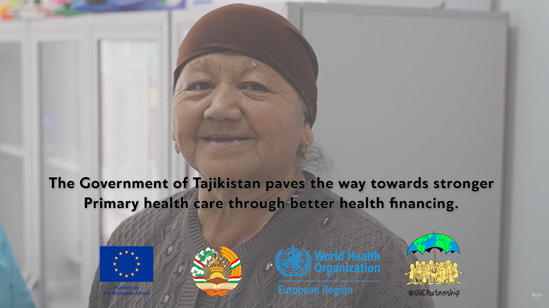
Countries in the Region supported by the UHC Partnership include Armenia, Georgia, Kyrgyzstan, Republic of Moldova, North Macedonia, Tajikistan, Ukraine and Uzbekistan.
Supporting health system transformation
Across the Region, countries face evolving health system challenges, including demographic change, rising chronic disease burdens, workforce shortages and the need to strengthen resilience in the face of health emergencies.
The UHC Partnership supports countries in addressing these challenges by:
- strengthening primary health care systems
- advancing health financing reforms to improve financial protection
- supporting health workforce planning and governance
- promoting equity in access to health services
- strengthening policy dialogue and national health strategies.
Through this work, the Partnership contributes to WHO’s broader efforts to support Member States in building stronger, more resilient and more equitable health systems.
The UHC Partnership in practice
The UHC Partnership supports governments in strengthening the foundations of their health systems through policy dialogue, technical cooperation and capacity-building.
In the Region, WHO’s work and activities are tailored around health system strengthening and, specifically, around the following.
- Primary health care. Promote inclusive, integrated and multiprofile primary health care as the frontline of the health system, capable of addressing ageing populations and the rising burden of noncommunicable diseases (NCDs).
- Health workforce. Build a fit-for-purpose workforce aligned with evolving service delivery models to meet the changing health and care needs of populations.
- Sustainable health financing. Strengthen financial protection through effective coverage policies and improve quality and efficiency via strategic purchasing, aligned with service delivery transformations.
In addition, WHO supports countries as they enhance their health resilience and preparedness to confront and tackle health emergencies.
A core focus of the Partnership is to ensure that national health policies are evidence-based, inclusive and aligned with population needs, helping countries translate global commitments on UHC into concrete national action.
How the Partnership works
Through a network of experts and staff at the country and regional level, WHO supports countries in advancing health system reforms and policies, particularly in areas such as health financing, health workforce development and strengthening primary health care.
Through sustained policy dialogue and technical cooperation, the Partnership helps governments bring together stakeholders, strengthen national ownership and ensure that reforms are grounded in evidence and country priorities.
The initiative also promotes coordination across WHO’s global, regional and country levels, ensuring that technical expertise and resources are aligned to support Member States effectively.