

World Leprosy Day
Observed on 26 January
WHO/Pan American Health organization
Leprosy patient
Leprosy patient
©
Credits
World Leprosy Day 2025
Unite. Act. Eliminate.
World Leprosy Day is observed on the last Sunday of January, every year. In 2025, the World Leprosy Day is on 26 January. This international day is an opportunity to celebrate people who have experienced leprosy, raise awareness of the disease, and call for an end to leprosy-related stigma and discrimination.
The theme for World Leprosy Day 2025 is "Unite. Act. Eliminate.". The theme is a call to action aiming to raise awareness of leprosy, highlight the challenges faced by persons affected by leprosy, and inspire collaborative action to eliminate leprosy.
- Global Commitment ("Unite"): Eliminating leprosy requires a concerted effort from all stakeholders, including governments, healthcare providers, NGOs, communities and individuals.
- Immediate Action ("Act"): Proactive measures, including public education, early diagnosis, prevention programs, prompt treatment, and empowering persons affected by leprosy, are essential to interrupt transmission and eliminate the disease.
- A Clear Goal ("Eliminate Leprosy"): Eliminating the disease – the World Health Organizations’ global goal - is achievable with sustained commitment. Current medical interventions and collaborative efforts have brought us closer, but continued investment in diagnostics, innovative treatments, and outreach is essential.
The campaign can also leverage the momentum of World NTD Day to raise awareness of leprosy as a neglected tropical disease and garner additional support.
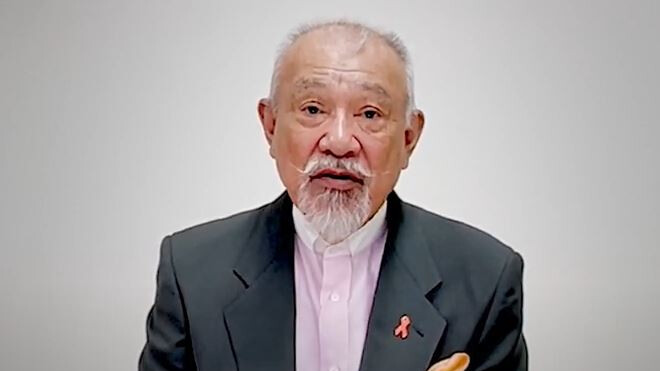
Video message by WHO Representative to Nepal
Campaign Materials
What are the facts about leprosy? (Nepali language)
/countries/nepal/facts-about-leprosy-1.jpg?sfvrsn=8c24eb2e_9 "Let's learn the truth about leprosy (Nepali language)")
/countries/nepal/facts-about-leprosy-2.jpg?sfvrsn=6925810a_9 "Let's learn the truth about leprosy (Nepali language)")
/countries/nepal/facts-about-leprosy-3.jpg?sfvrsn=c4fac8b1_9 "Let's learn the truth about leprosy (Nepali language)")
/countries/nepal/facts-about-leprosy-4.jpg?sfvrsn=21c9d0_9 "Let's learn the truth about leprosy (Nepali language)")
How can we eliminate leprosy? (Nepali language)
/countries/nepal/how-can-we-eliminate-leprosy-1.jpg?sfvrsn=b089b790_11 "We can eliminate leprosy (Nepali language)")
/countries/nepal/how-can-we-eliminate-leprosy-5.jpg?sfvrsn=10f5cf5f_7 "We can eliminate leprosy (Nepali language)")
/countries/nepal/how-can-we-eliminate-leprosy-2aad65d9593624ea7987869f1c0445b5e.jpg?sfvrsn=7f576ea_11 "Leprosy is a treatable disease (Nepali language)")
/countries/nepal/how-can-we-eliminate-leprosy-2.jpg?sfvrsn=829144cc_10 "Leprosy elimination is possible (Nepali language)")
/countries/nepal/how-can-we-eliminate-leprosy-3.tmb-1920v.jpg?sfvrsn=a7cdf898_1 "Let's end discrimination and stigma against leprosy patients (Nepali language)")
Fact Sheets
News from Nepal
Global News
Publications